What the experts actually take. With proof and prices.
Every supplement backed by timestamped podcast clips. Compare real Amazon prices. Build your own stack.
Proof, Not Claims
Every supplement links to the exact podcast timestamp where the expert discusses it.
Compare Prices
See multiple brands per supplement with price-per-count to find the best value.
Track Your Stack
Build your personal stack, track costs, and compare it to the experts.
Featured Expert Stacks

Andrew Huberman
PhD, Stanford Neuroscientist
As low as $290/mo
Most in: Foundational · Stress
View Stack (43)
Rhonda Patrick
PhD, Biomedical Scientist
As low as $106/mo
Most in: Foundational · Exercise
View Stack (25)
Brad Stanfield
MD, General Practitioner
As low as $44/mo
Most in: Foundational · Cardiovascular
View Stack (22)
Andy Galpin
PhD, Exercise Physiologist
As low as $50/mo
Most in: Exercise · Foundational
View Stack (5)
Gil Carvalho
MD, PhD, Nutrition Researcher
As low as $66/mo
Most in: Foundational · Cardiovascular
View Stack (10)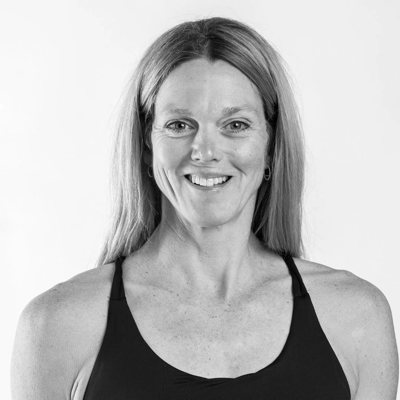
Stacy Sims
PhD, Exercise Physiologist
As low as $61/mo
Most in: Exercise · Focus
View Stack (9)Compare Expert Supplement Stacks - SuppStacker
"I highly recommend that everybody delay their caffeine intake for 90 to 120 minutes after waking. You want to clear out whatever residual adenosine is circulating in your system in that first 90 to 120 minutes of the day."
"A high omega-3 index has been associated with a 90% reduction in sudden cardiac death. People with an omega-3 index of 8% or more have a five-year increase in life expectancy compared to those with an index of 4% or lower."
"Creatine supplementation is the most effective nutritional supplement currently available to increase exercise capacity and lean body mass."
"There is a lever you can pull every day to significantly enhance your body's ability to repair damage to your DNA, potentially reducing cancer risk in a dose dependent manner. This is the power of magnesium."
Fiber
$0.08/ct
$19.18 total
"A meta-analysis of 19 randomized controlled trials demonstrates that melatonin decreases sleep onset latency, increases total sleep time, and improves overall sleep quality."
"A meta-analysis... found that all 10 randomized controlled trials showed improvements in skin health including moisture, elasticity, and wrinkle number."
"Vitamin C is absolutely essential for the synthesis of collagen. You cannot make collagen without vitamin C."
"In a perfect world, we should be targeting 1.6 grams of protein intake per kilogram of body weight per day."

No pricing data available. View expert evidence
"Ashwagandha supplements do significantly reduce stress. That same study did show a reduction in cortisol levels, which is the stress hormone."
"We've got fantastic evidence from randomized control trials showing that if we supplement with hyaluronic acid we reduce skin wrinkles by about 18%."
"Vitamin K is also required to activate proteins that pull calcium out of the vascular system, out of the blood vessels and arteries, and bring it to the bone where it's supposed to go."
"Randomized trials and meta-analyses generally show that berberine can help lower cholesterol, fasting glucose, triglycerides, blood pressure, and body weight."
$0.31/ct
$18.89 total
"In human clinical studies, pure resveratrol improves blood sugar levels, good cholesterol, blood pressure, kidney filtration and fatty liver."
"The top 20% of consumers of cruciferous vegetables reduce their all-cause mortality by 22%."
"The next thing I always recommend to my patients that I see in the clinic aside from sunscreen use is to use a retinoid cream particularly at night."
No pricing data available. View expert evidence
"It reduces the duration of the common cold symptoms in healthy people. Plus, it also seems to reduce the risk of getting a common cold in the first place."
"This study convinced me to eat low sugar fermented foods every single day and I have been ever since."
"Alpha-GPC actually will improve your REM sleep. It's one of the few things I've found that can increase energy late in the day and you still sleep better."
"In a clinical trial lasting 9 months, no one in the curcumin group had progressed to type 2 diabetes, compared to 16.4% of those in the placebo group."
"Compared to women with the lowest vitamin E intake, those with the highest had 34% lower rates of heart disease."
"After 12 months, the group who took vitamin B3 had a 23% lower rate of new skin cancers compared to the placebo group."
$0.19/ct
$19.43 total
"Magnesium threonate, apigenin, and theanine, which together can really enhance the speed at which one falls asleep and people's ability to stay asleep and to really get into those deep stages of sleep that are particularly restorative."
"Daily multivitamin and mineral supplements relative to placebo resulted in a statistically significant benefit on global cognition. This was shown in the Cosmos Mind study involving over 2,000 people."
"As fiber intake increases cholesterol and blood pressure decrease and higher fiber intakes are associated with a reduced all-cause death rate."

Taurine
"I continue to take taurine supplements, especially since a new human study of 1,394 people was just published on the 23rd of November, 2025 that reinforces my decision."
"Alpha lipoic acid treatment coincided with a statistically significant 1.27 kg greater weight loss compared to placebo."
"Taking daily Aspirin cut your long-term risk of dying from cancer by about a third, according to an analysis of eight randomized controlled trials and over 25,000 patients."
No pricing data available. View expert evidence
"Glycine signals to the blood vessels to open up and dilate, which helps the body to lose heat and lowers our core body temperature. This drop in body temperature is a central part of the circadian shift into sleep."
"When they gave them the aged garlic extract... the low attenuation plaque actually decreased by 29%."
"Specifically using calcium vitamin D was associated with a 44% lower risk of dementia."
$0.06/ct
$14.21 total
"L-carnitine and acetyl-L-carnitine in particular facilitates fat oxidation. It helps convert fatty acids into ATP. Supplementing L-carnitine can increase fat loss."
No pricing data available. View expert evidence
"This amino acid is critical for muscle building and maintenance."
No pricing data available. View expert evidence
"We've got overwhelming human evidence that yes, NMN supplements, they do boost blood NAD."

"Magnesium threonate, apigenin, and theanine, which together can really enhance the speed at which one falls asleep and people's ability to stay asleep and to really get into those deep stages of sleep that are particularly restorative."
"Tryptophan is an essential amino acid we get from our diet. It is transported into the brain, where it gets converted into serotonin, an important neurotransmitter that regulates mood, cognition, and impulse control."
No pricing data available. View expert evidence
"It turns out that 400 milligrams per day of something called Tongkat Ali, which is a form of ginseng, can actually help increase levels of free testosterone."

"Glutamine is an amino acid that can really reduce sugar cravings if you take a teaspoon of that or even a tablespoon of that a few times a day. Glutamine has also been shown to improve symptoms of leaky gut."

"Catechins can help with weight loss and specifically losing visceral fat. It's been shown in randomized controlled trials."
$0.13/ct
$7.99 total
"Astaxanthin powerfully activates an enzyme called NRF2, and NRF2 acts as a switch to activate a whole battery of antioxidant genes."
No pricing data available. View expert evidence
"When I take NR and NMN at the dosages I talked about a little bit earlier, it gives me a lot of sustained mental and physical energy throughout the day."
No pricing data available. View expert evidence
"...5-HTP produces a notable decrease in appetite, based on three studies."
No pricing data available. View expert evidence
No pricing data available. View expert evidence
"NAC prevented the symptomatic forms caused by the H1N1 influenza virus quite efficiently. Only 25% in the NAC group developed disease versus 79% in the placebo group."
"Third on the list of things that come from food that can readily support brain function would be choline because of the relationship to choline in the biosynthesis pathway for acetylcholine."
$0.25/ct
$24.59 total
"Methylene blue can act as a smart drug. It can improve your mind, your memory, and your learning."
No pricing data available. View expert evidence
"It's a powerful antioxidant, but as we reach the age of 45, our levels of glutathione go down."
No pricing data available. View expert evidence
"In the COSMOS trial, participants that took the supplements more regularly saw a 15% reduction in cardiovascular events and cardiovascular deaths were significantly reduced by 27%."
Lithium
"He very quickly moved from that animal model into human patients and started injecting human patients with lithium or providing lithium orally to those patients. And lo and behold, found an absolutely profound and positive effect of lithium in reducing symptoms of mania."
No pricing data available. View expert evidence
No pricing data available. View expert evidence
No pricing data available. View expert evidence
$0.21/ct
$25.06 total
"Beetroot juice supplementation significantly reduced blood pressure by around eight points. This effect size is comparable to the impact of blood pressure medications that I prescribe in the clinic."
"The headline finding is that this combination of senolytics [dasatinib and quercetin] reduced the senescent cell burden within 11 days."
"B vitamins, in particular B6 or vitamin B6, can potently reduce prolactin levels. Prolactin and dopamine tend to work in kind of push-pull fashion."

"The consistent effect seems to be an increase in luteinizing hormone. There's a noticeable effect on testicular size and volume."
"It's essential for our mitochondria's function. CoQ10 is also known to have antioxidant properties and it's found in high concentrations in the heart, liver and kidney."
Fisetin
"Ketones are used as fuel just like amino acids. They are preferentially used by the brain for delaying fatigue and reducing the overall catabolic stress that occurs during exercise."
No pricing data available. View expert evidence
"MCT oils can promote the increase of ketone bodies, and ketones are an alternative brain fuel."
No pricing data available. View expert evidence
"Phenylethylamine is very effective in elevating dopamine."

"A brand new meta-analysis has suggested that spirulina improves weight, cholesterol, and blood pressure."
"The US Preventive Services Task Force concluded with moderate certainty evidence that the harms of beta-carotene supplementation outweigh the benefits."
No pricing data available. View expert evidence
"The thyroid needs iodine in order to produce thyroid hormone and you need sufficient levels of thyroid hormone."
No pricing data available. View expert evidence
Lion's Mane
No pricing data available. View expert evidence
No pricing data available. View expert evidence
No pricing data available. View expert evidence
"Randomized trials have shown that the beta glucan in oats helps lower APOB, fasting insulin, and blood pressure in people with hypertension."
No pricing data available. View expert evidence
No pricing data available. View expert evidence
"There are 11 research studies showing that ginger can cause a notable reduction in nausea."

$3.17/ct
$94.99 total
No pricing data available. View expert evidence
"It's very clear that cinnamon can adjust the rate of glucose entry into the bloodstream, possibly by changing the rate of gastric emptying and thereby also reduce the glycemic index of particular foods."

$0.16/ct
$15.99 total
"It may have beneficial effects for things like reproduction, bone health, brain function, and even making hormones like vitamin D, testosterone, and estrogen."
No pricing data available. View expert evidence
"Personally, I don't take DHEA nor do I recommend it to my patients."
No pricing data available. View expert evidence
No pricing data available. View expert evidence
No pricing data available. View expert evidence
"If you have lactose intolerance, there are a number of strategies that are backed by science. There are lactose-free milks, there are lactase supplements, there's fermented dairy like yogurt."
"There's also anti-inflammatory supplements such as CoQ10 and PQQ... we don't want to interfere with that process [inflammation after exercise]."
No pricing data available. View expert evidence
No pricing data available. View expert evidence
No pricing data available. View expert evidence
"Every third or fourth night, I will take two grams of glycine and 100 milligrams of GABA in addition to the standard sleep stack... which I find greatly enhances my ability to get into sleep."
$0.19/ct
$16.99 total
"Ben Flamin I'm taking that by life extension."

"I like chamomile tea after a meal."
No pricing data available. View expert evidence
Never miss an update
Get a weekly email when your favorite experts add or remove supplements from their stack.
Free forever. No spam, just updates.